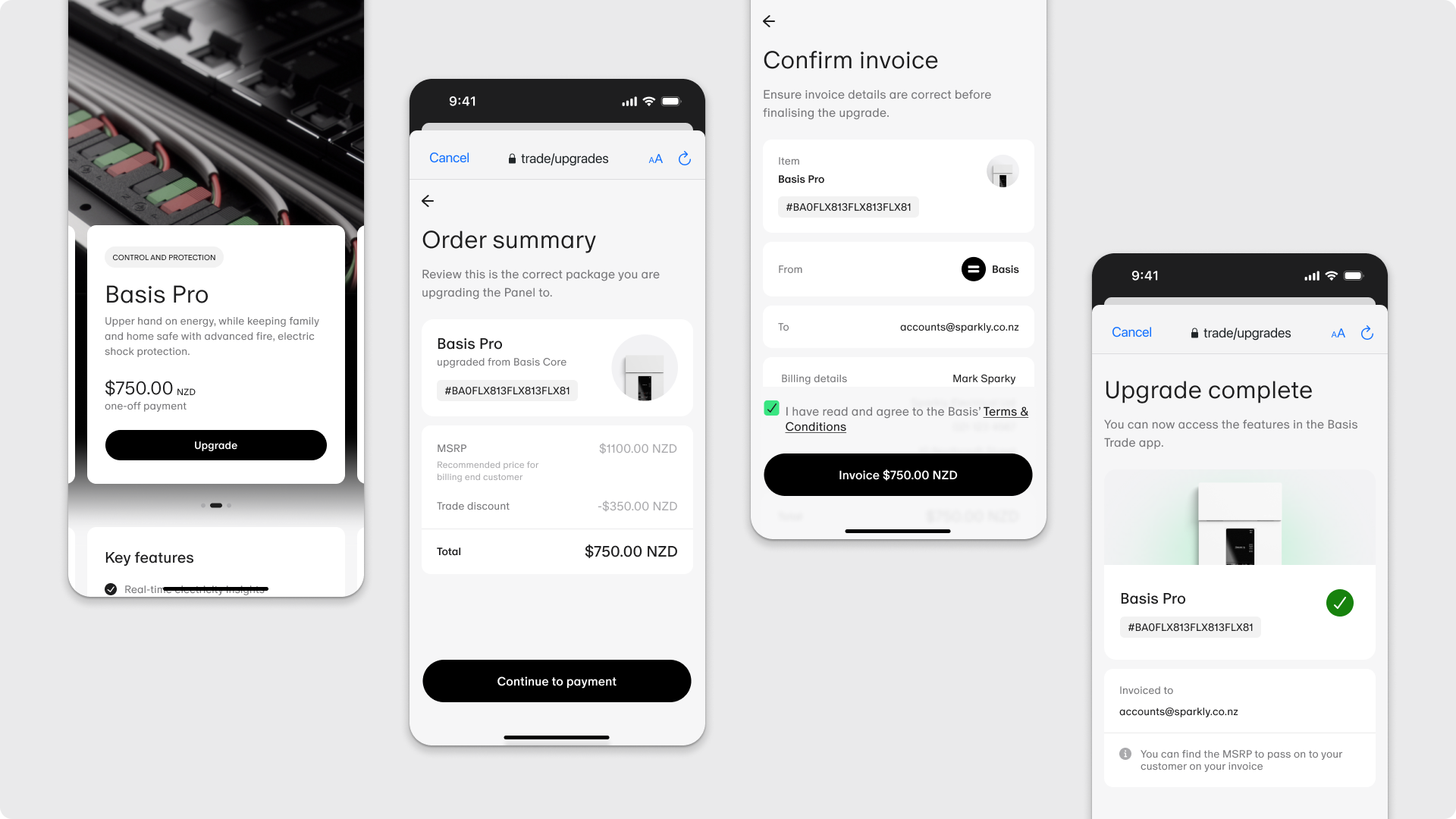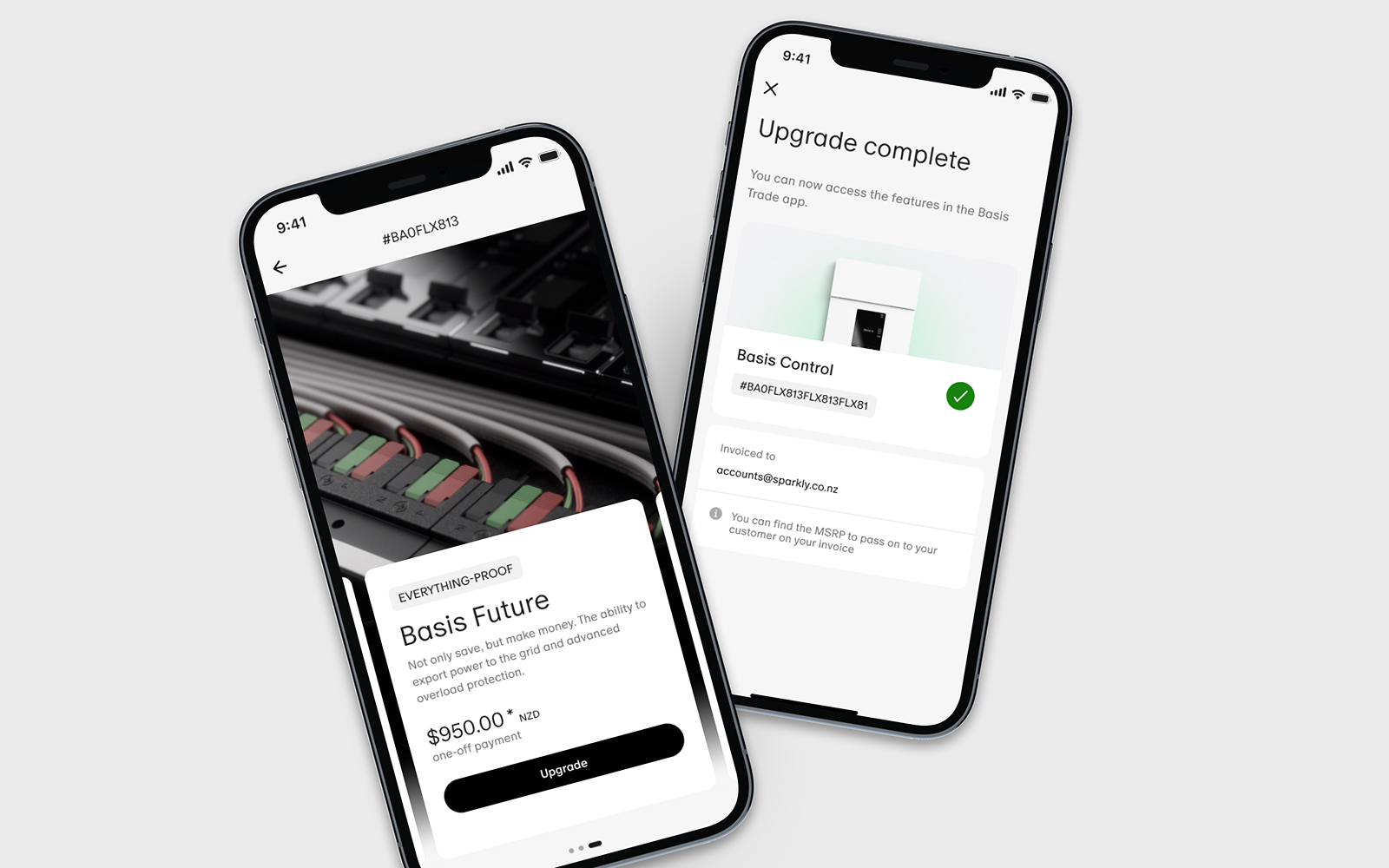
How might sparkies confidently install a Smart Panel and deliver the right value to homeowners?
I led the end-to-end design of the Basis Trade App, used by electricians to configure and install Smart Panels, shaping both the MVP and future vision in a highly ambiguous 0→1 space.
Context
Basis was preparing to go to market with its Smart Panel, but a core part of the initial installation experience for electricians was undefined. Key decisions around configuration, feature selection, and workflows were still evolving, with dependencies across hardware constraints, backend logic, and internal alignment..
Outcome
Shipped a usable, streamlined installation experience that supported electricians on-site during early rollout. The work clarified core workflows, reduced uncertainty across teams, and created a foundation for future iterations of the product.
My Role
I drove discovery and definition, turning fragmented requirements into clear user journeys and prioritised flows. I facilitated alignment across product, engineering, and stakeholders, and worked closely with engineers through delivery to ensure feasibility and coherence across the experience.
The Process
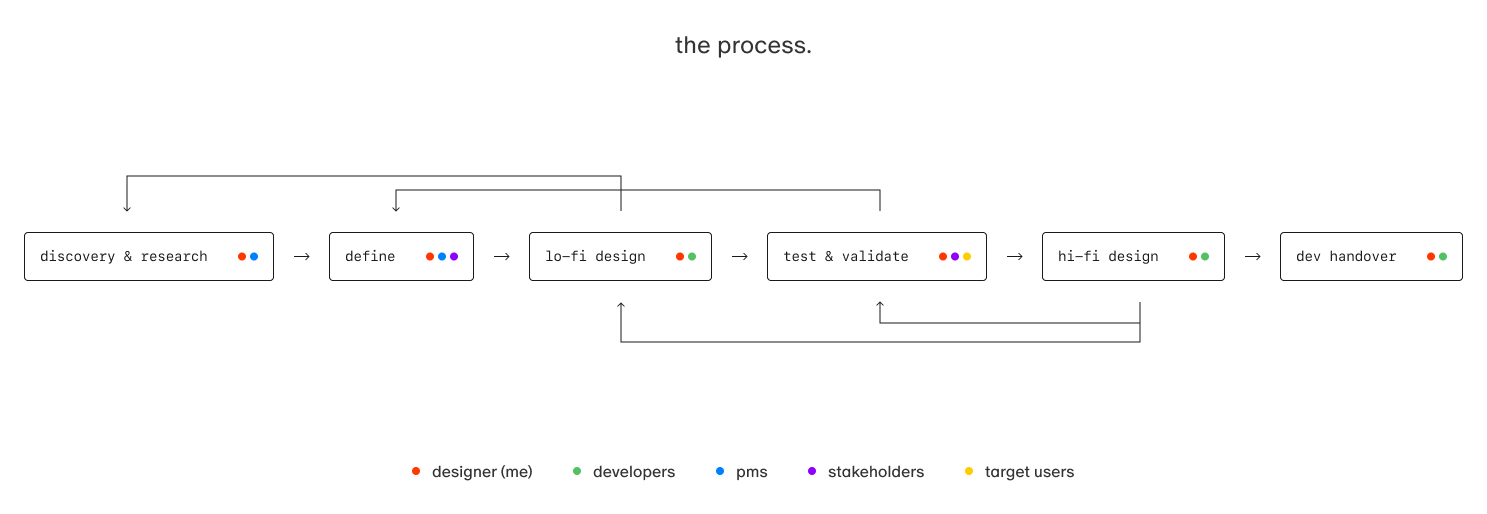
Discover and Define
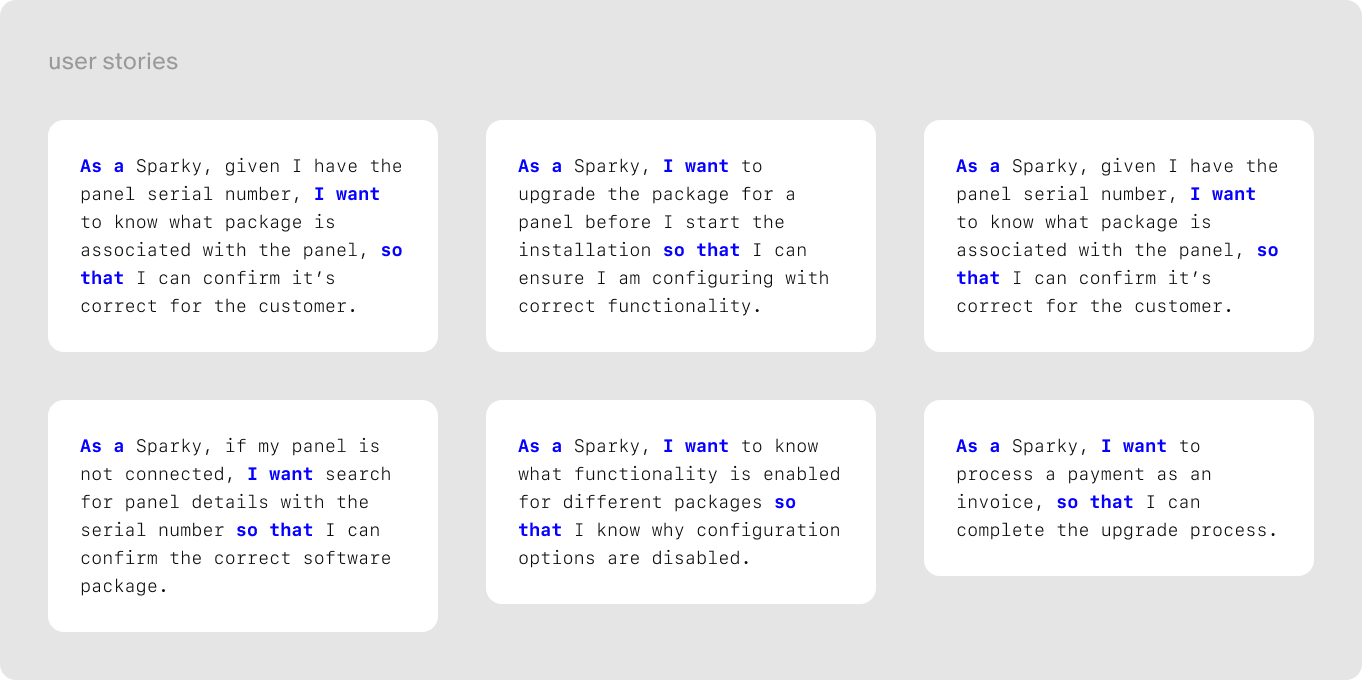
Design began after JTBD were established. I translated these into an end-to-end user flow, mapping how electricians would move through installation and configuration. This clarified key moments, exposed gaps, and helped define user stories and MVP scope.
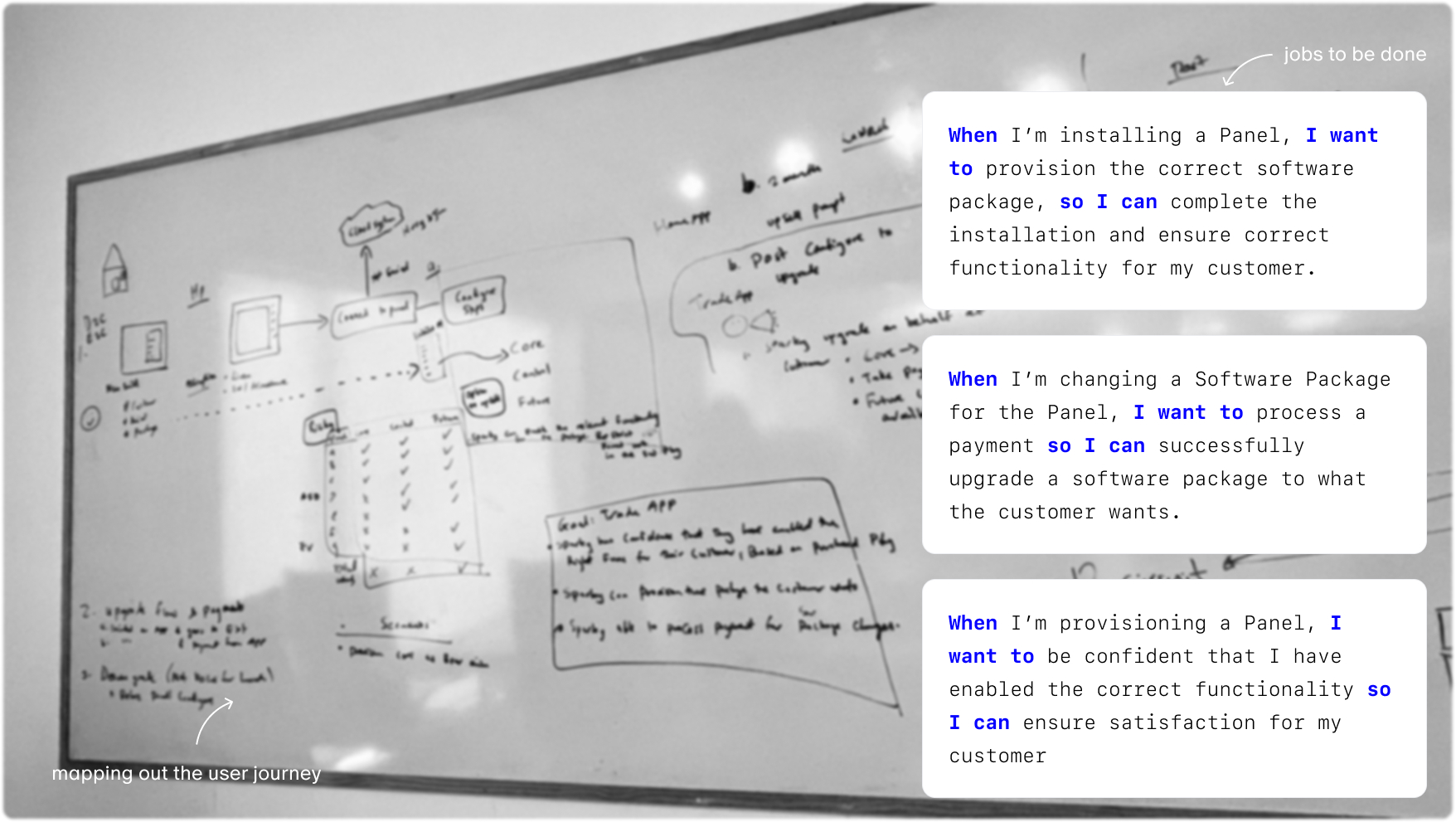
Identifying Core Feature & Function
Working within hardware and technical constraints, I distilled the ideal flow into a set of critical features. This ensured the MVP focused on what was essential for on-site use, balancing usability with feasibility and speed to market.
Driving Alignment
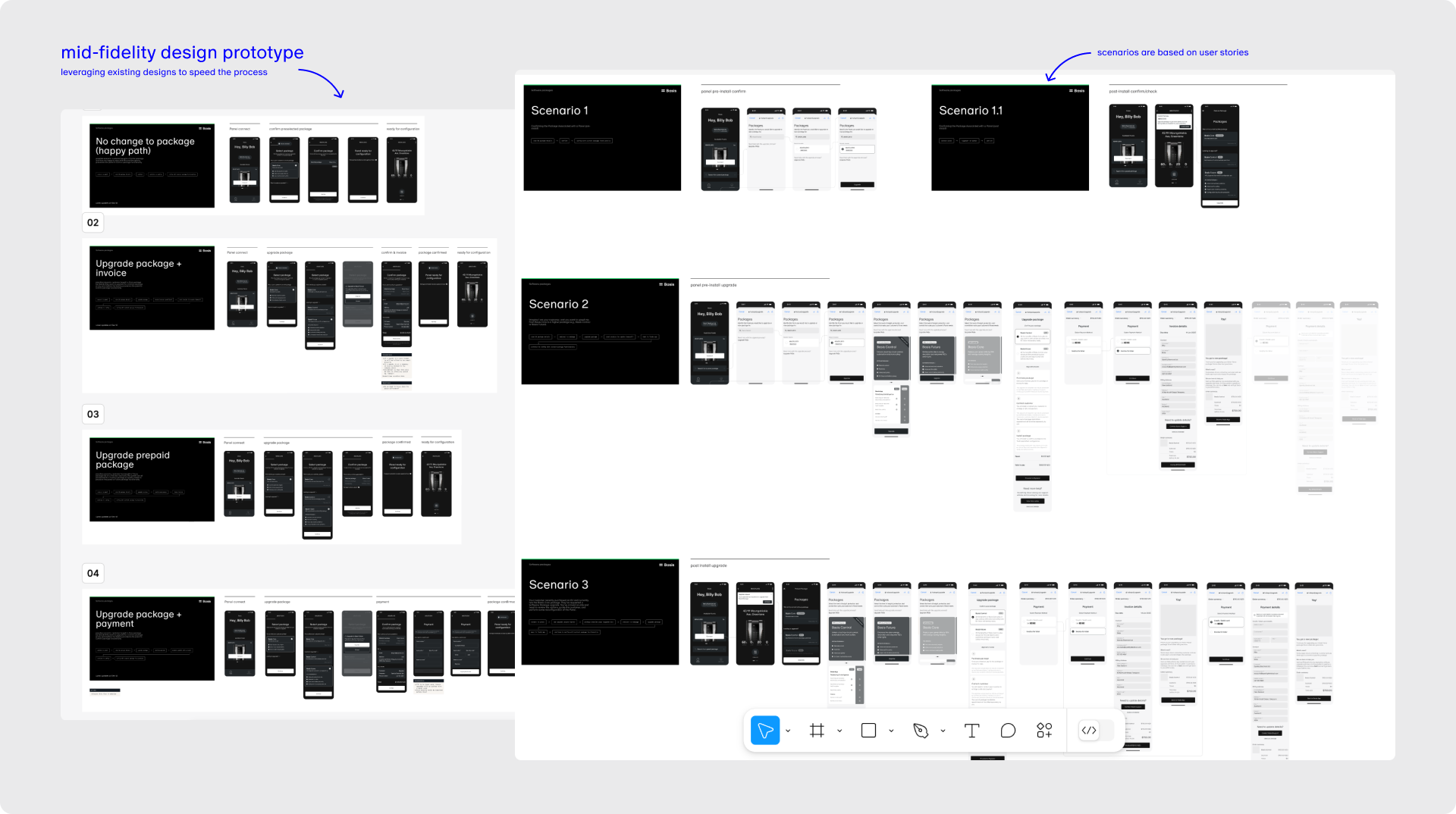
I created mid-fidelity wireframes to explore flows, content, and structure. These artefacts became a key tool for aligning stakeholders, facilitating discussions, and securing buy-in across product and engineering.
Testing and Insights
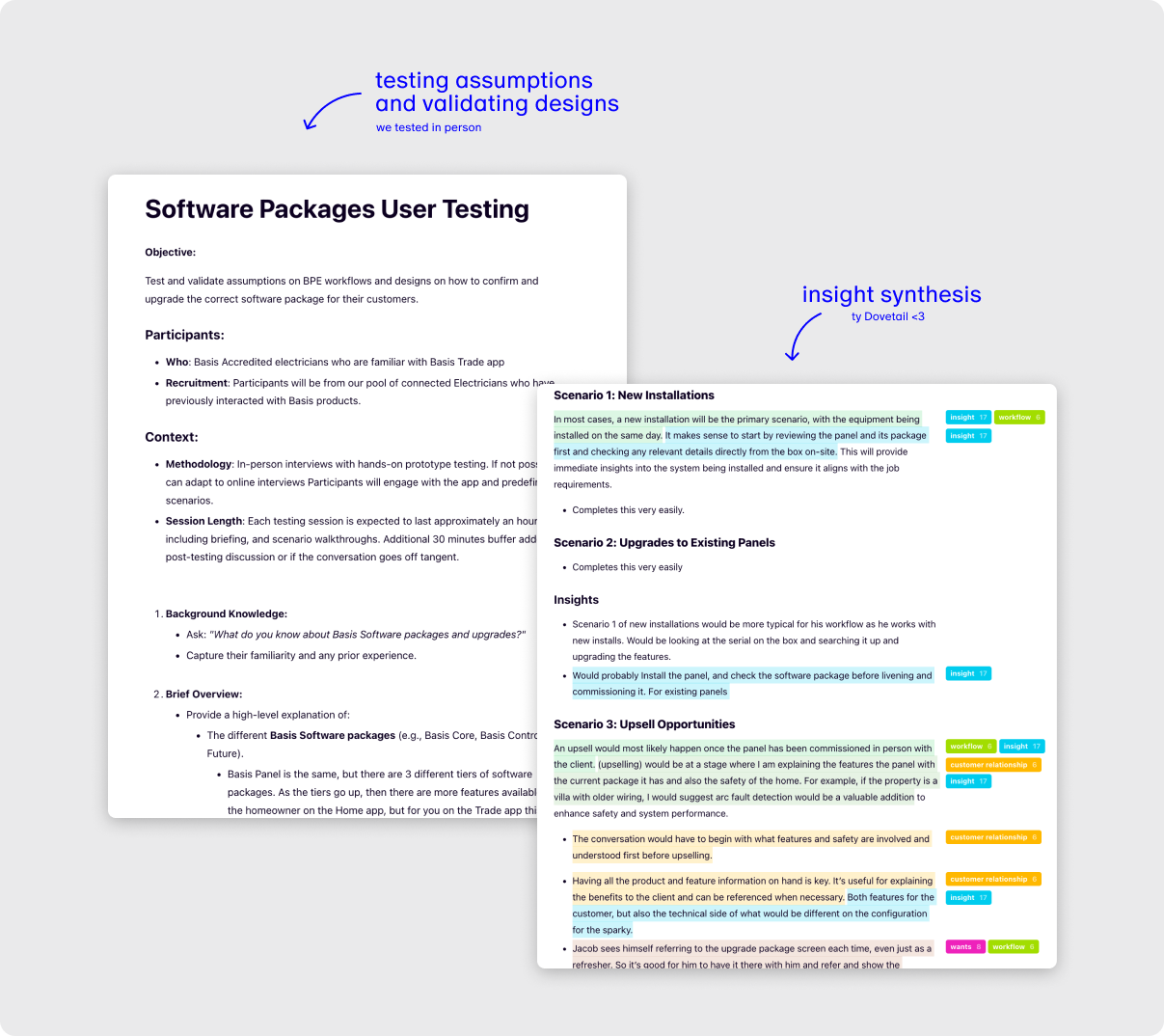
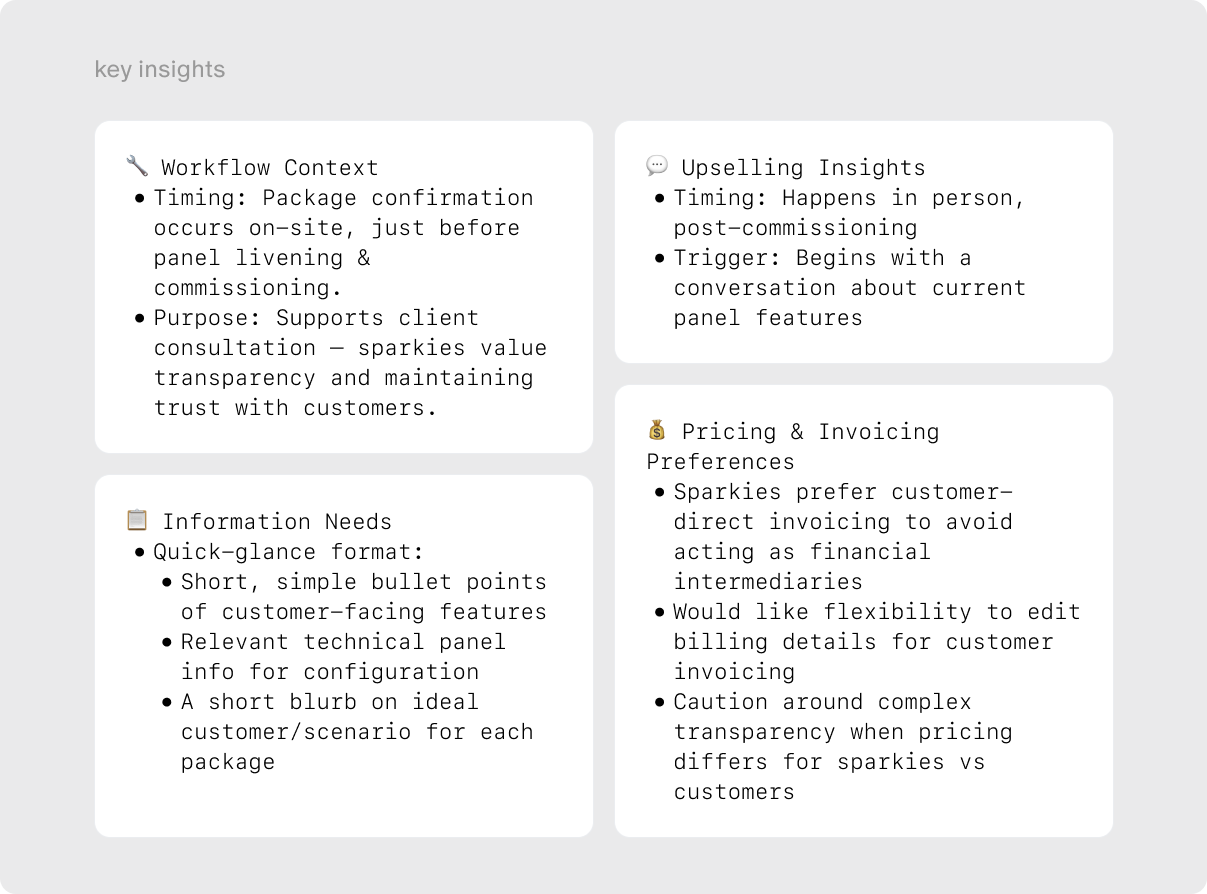
With limited access to users, I designed a focused testing approach to validate key assumptions and workflows. Testing helped refine usability, confirm core functionality, and deepen our understanding of user behaviours.
I shared these insights in company-wide sessions, helping teams beyond product, including Sales and Training, build a stronger understanding of the user journey and the value of the Trade App
Collab With Engineering to Establish Design System for Delivery
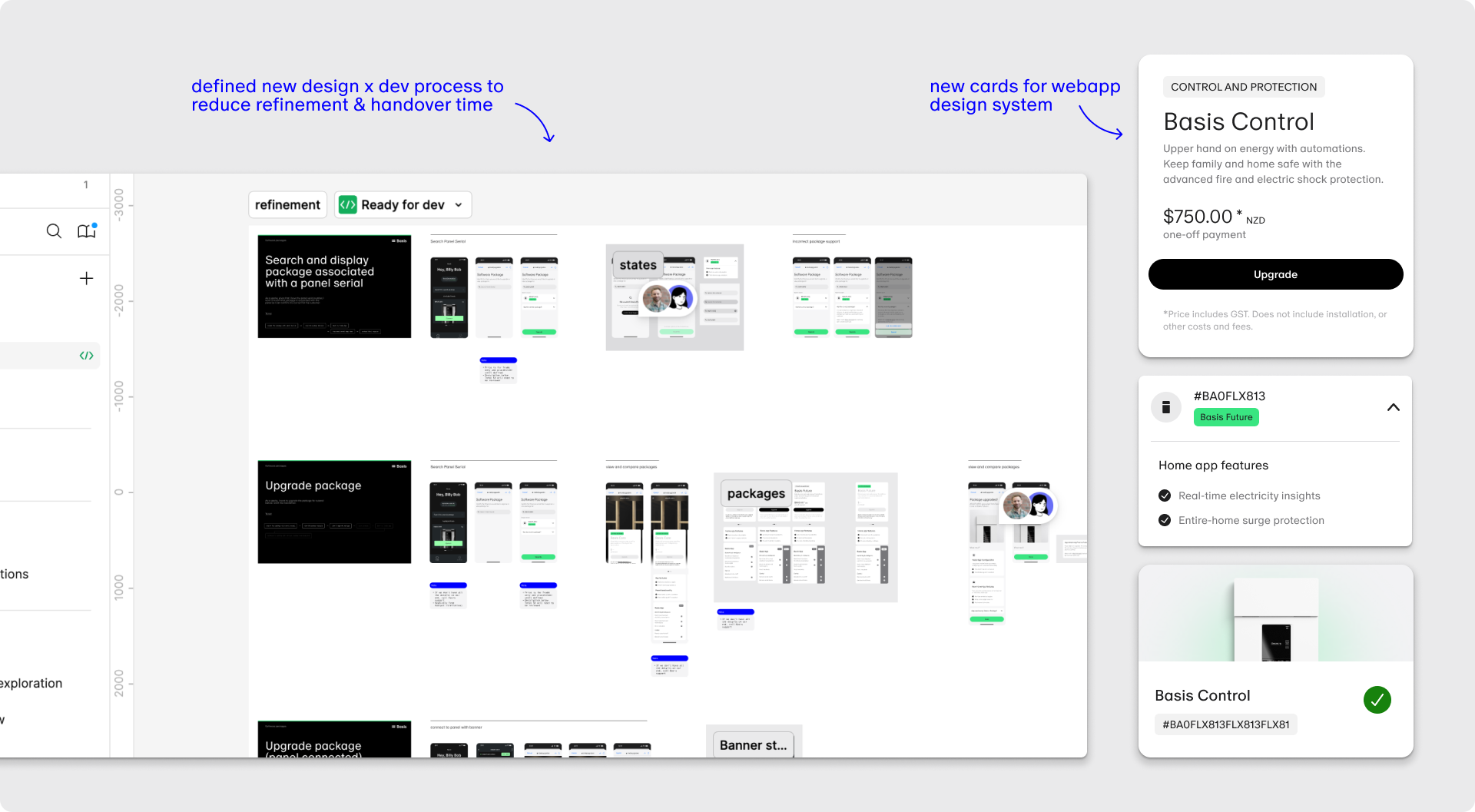
As confidence grew in different parts of the feature, we transitioned to high-fidelity designs for development handover. Since this was Basis’ first web app, I combined existing design components and crafted new ones, establishing the foundation for a scalable component system while maintaining speed.
Why This Solution?
This solution balanced use needs, alignment on technical feasibility and time constraints. The flow reduced complexity for sparkies, and the lean MVP approach allowed us to test fast and learn early, while still delivering a critical part of the product experience.
Outcome and Reflection
At the time of writing, designs are entering the development stage. Like many early-stage products, the MVP is lean. Some features were intentionally deprioritised to enable faster time-to-market.
While it’s still early for measurable business outcomes, the design process has helped validate assumptions, inform product decisions, and build a shared understanding of our users across the business.
Personally, I’m grateful to have led the design of a brand-new feature that contributes directly to our launch product, not just shaping how it looks, feels, and works, but helping lay the groundwork for what’s possible at Basis.